
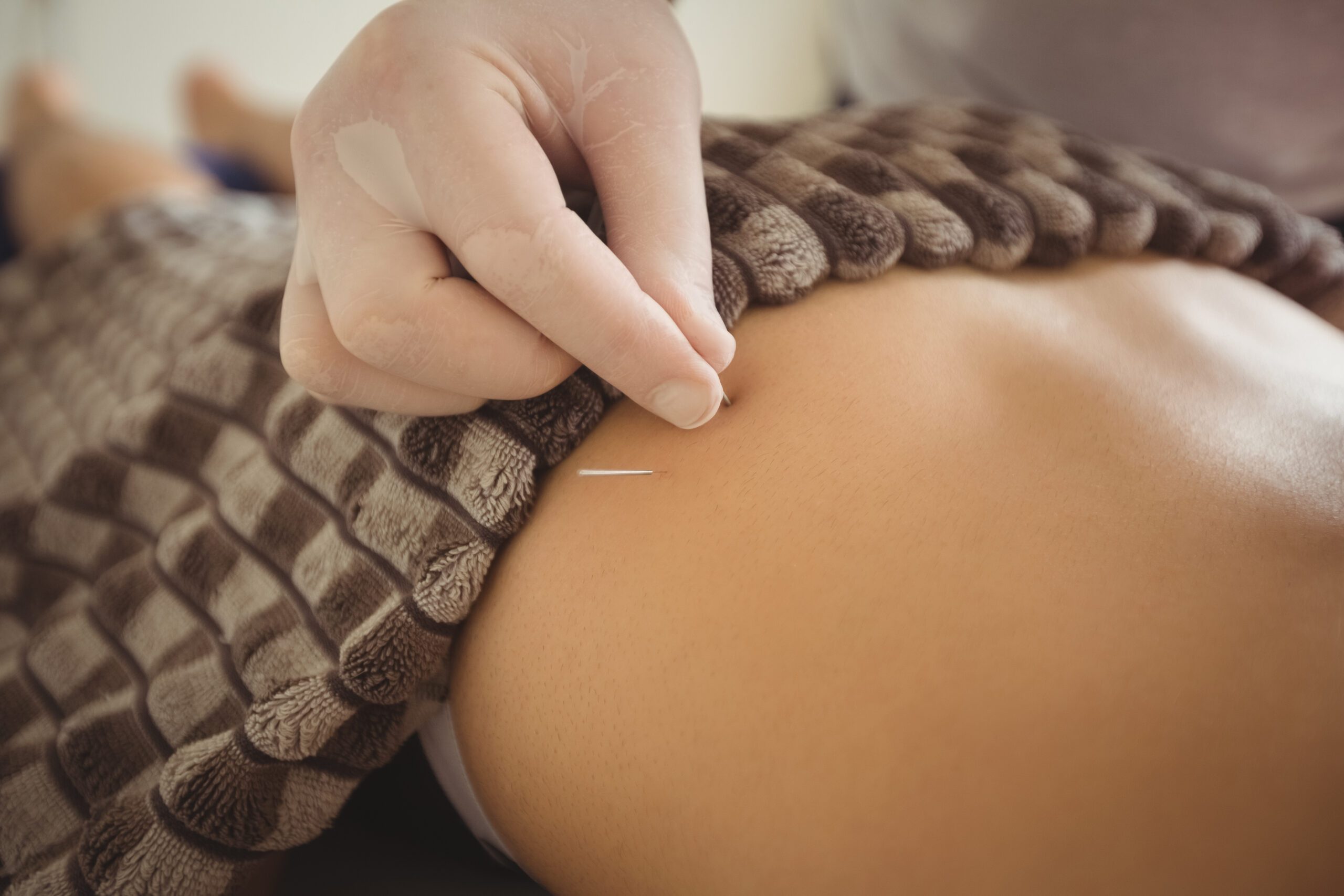
There are two groups of people in the world: those who struggle with the idea that sticking needles into their bodies can be good for them… and those who do it for fun — yes, we’re talking to you with the two full sleeves of tattoos.
Within that wide spectrum of opinions, there is consensus around one method: dry needling. It’s a highly effective technique used by most physiotherapists in the world today for promoting tissue healing and treating myofascial trigger points — that relentless sharp pain in your back that never seems to go away.
A safe, effective technique for pain relief & recovery
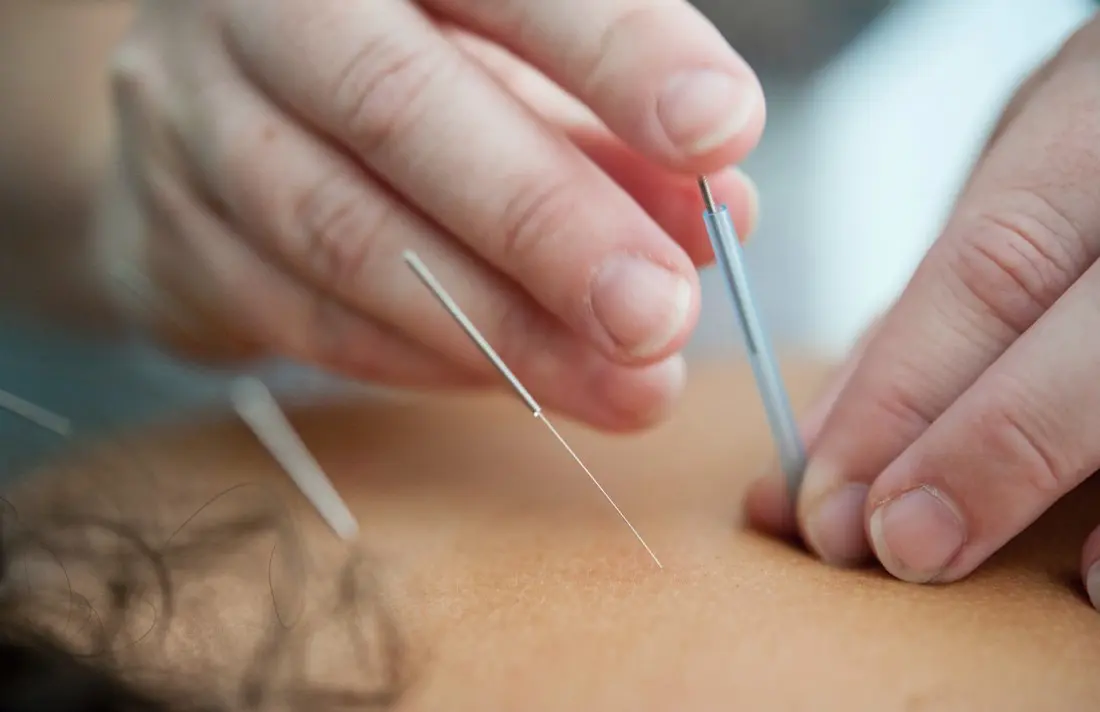
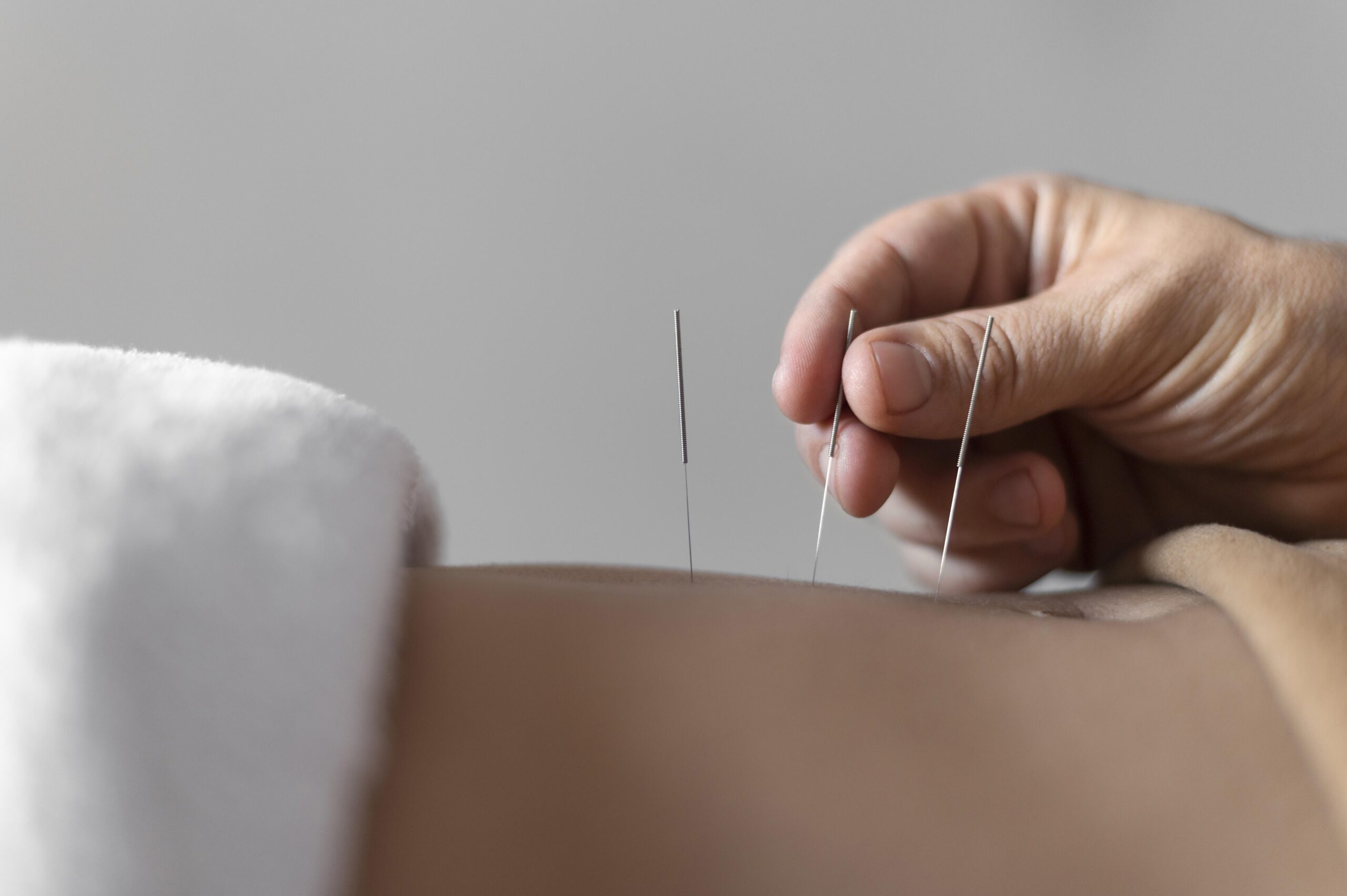
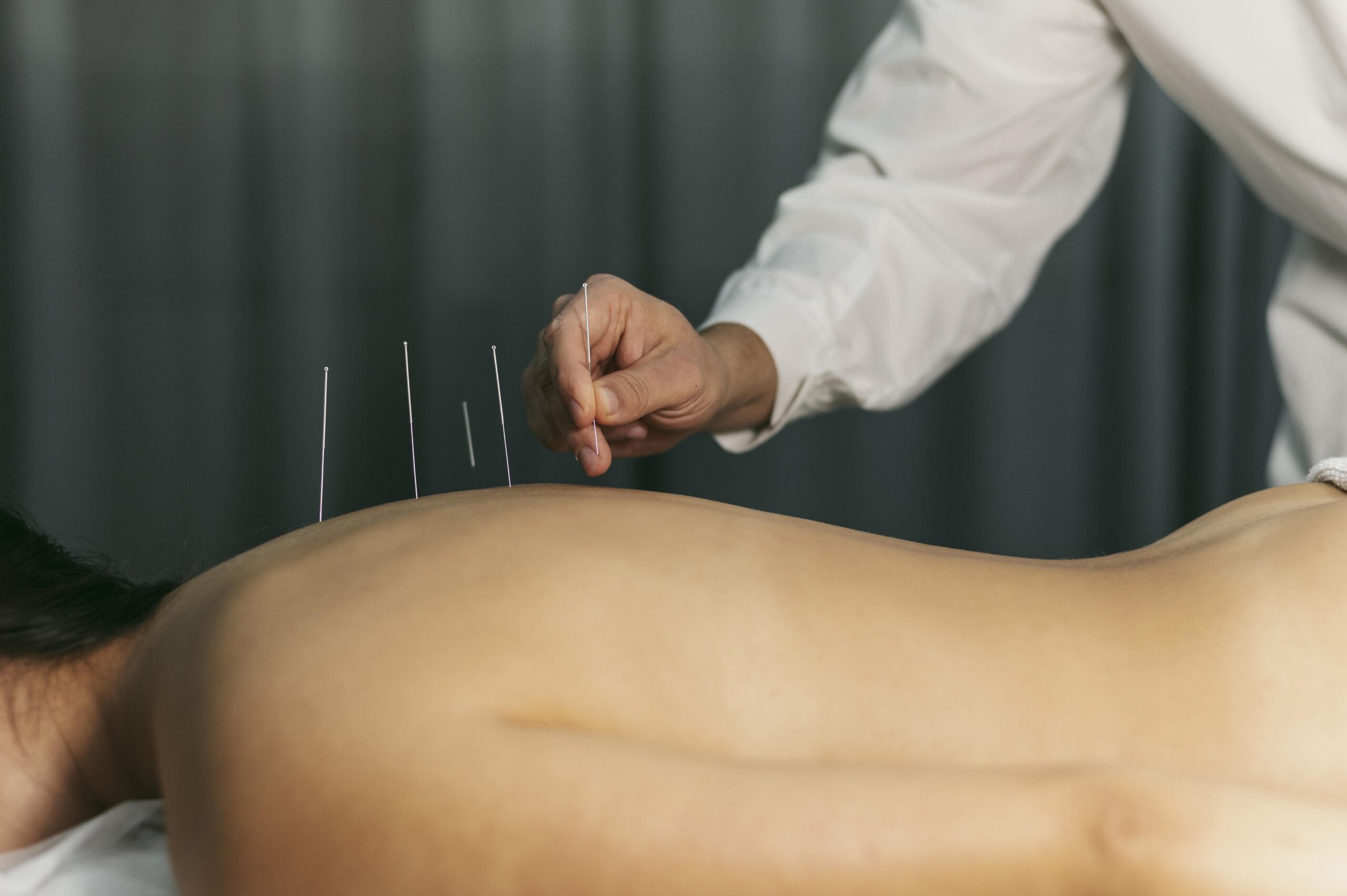
Dry needling uses small, thin needles inserted into the skin and muscle at specific points to promote healing and ease pain. Although it can seem daunting, it’s a safe and effective method for treating a range of musculoskeletal conditions. Below we explore the mechanisms, benefits, and potential side effects.
The mechanisms behind dry needling
Dry needling targets trigger points — small, localized areas of tightness and tenderness in the muscle, associated with conditions including neck pain, back pain and headaches. By inserting a thin needle directly into the trigger point, the therapist stimulates the muscle to twitch and then relax, releasing the tension and resolving the pain.
It also promotes tissue healing by causing controlled micro-trauma — small, controlled injuries that trigger the body’s natural healing response, increasing blood flow to repair damaged tissue.
Benefits of dry needling
Pain relief
Significant relief by releasing trigger points and promoting muscle relaxation — effective for low back pain, neck pain and headaches.
Improved range of motion
Releasing trigger points improves flexibility — especially for frozen shoulder or a stiff neck.
Accelerated healing
The micro-trauma stimulates the body’s healing response — useful for slow-to-heal tendon or ligament injuries.
Non-invasive
No drugs or surgery — a safe alternative for those unsuited to more invasive treatments.
Potential side effects
Soreness
Some soreness in the area is common and usually subsides within a few hours to a few days.
Bruising
Minor bruising or bleeding at the insertion site can occur and typically resolves quickly.
Infection
Rare, but any procedure that breaks the skin carries some risk — minimised with sterile needles and equipment.
Nerve damage
A small risk, minimised when performed by a trained professional with a thorough understanding of anatomy.
Wondering if dry needling is right for you?
Start with a structured assessment — we’ll tell you honestly whether it fits your situation.
Message us on WhatsAppConclusion
Dry needling is a safe and effective technique for treating a range of musculoskeletal conditions. By targeting trigger points and promoting tissue healing, it can provide significant pain relief and improve range of motion. The risks are generally low when performed by a trained professional. If you’re considering it, speak with your healthcare provider to determine whether it’s right for you.