
The method behind the madness — safe, effective relief for pain and muscle recovery.
Ask how it may helpThere are two groups of people in the world: those who struggle with sticking needles into their bodies… and those who do it for fun — yes, you with the two full sleeves of tattoos.
Within that wide spectrum of opinions, there is consensus around one method: dry needling. It’s a highly effective technique used by most physiotherapists in the world today for promoting tissue healing and treating myofascial trigger points — that relentless sharp pain in your back that never seems to go away.
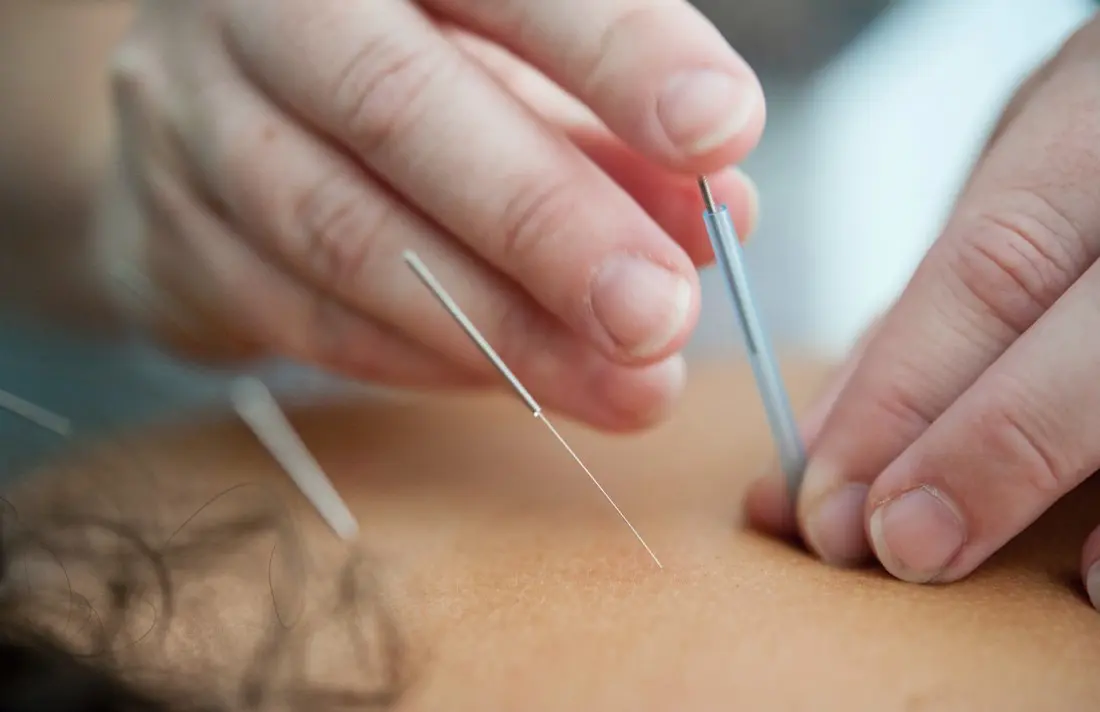
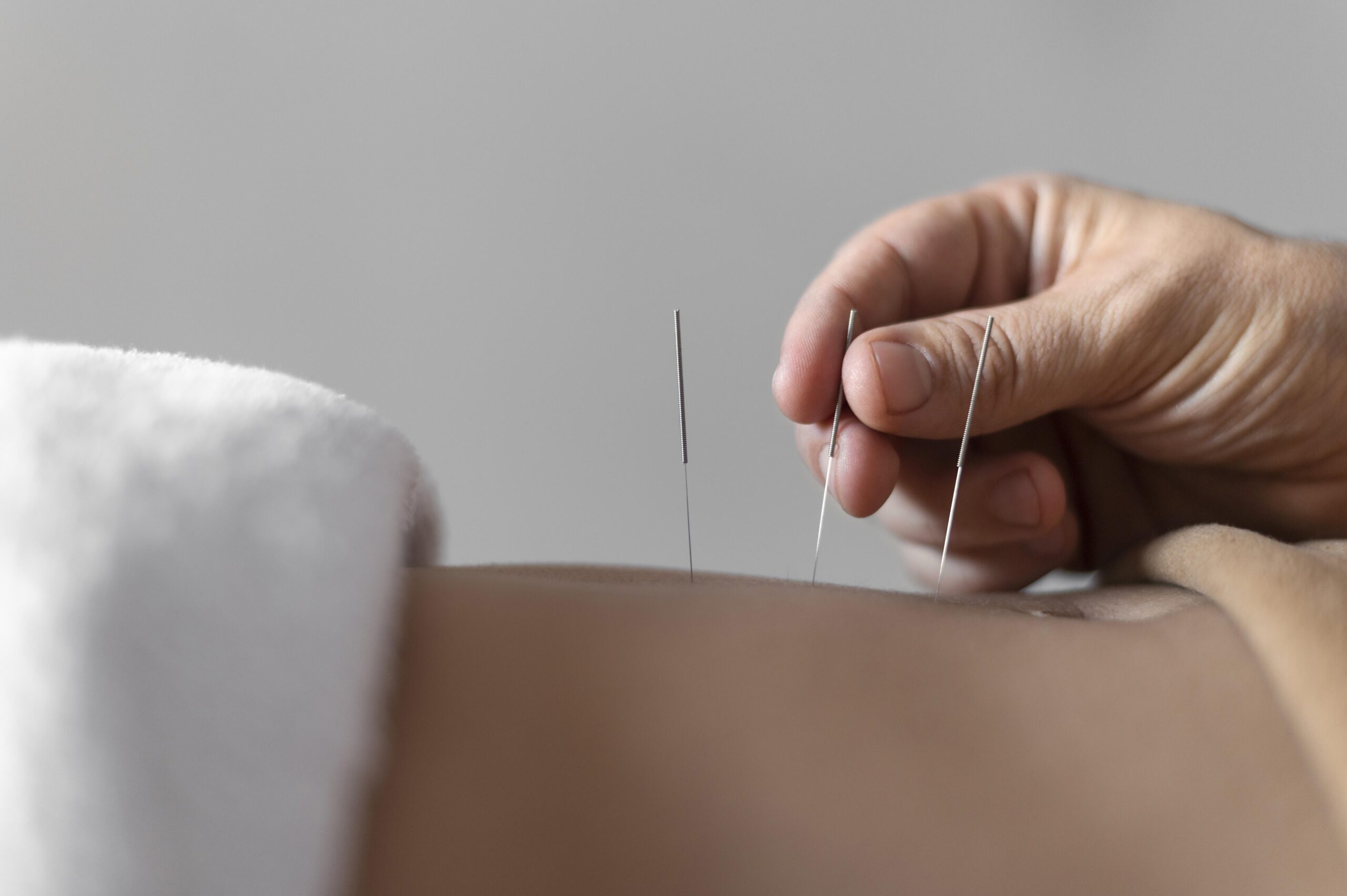

Dry needling targets trigger points — small, localized areas of tightness in the muscle, linked to neck pain, back pain and headaches. A thin needle inserted directly into the trigger point makes the muscle twitch and then relax, releasing tension and resolving the pain.
It also promotes healing through controlled micro-trauma — small, controlled injuries that trigger the body’s natural healing response and increase blood flow to repair damaged tissue.
Releases trigger points and relaxes muscle — effective for low back, neck pain and headaches.
Improves flexibility — especially for frozen shoulder or a stiff neck.
Stimulates the body’s healing response for slow-to-heal tendon and ligament injuries.
No drugs or surgery — a safe alternative to more invasive treatments.
Common in the area; usually subsides within a few hours to a few days.
Minor bruising or bleeding at the insertion site can occur and resolves quickly.
Rare — minimised with sterile needles and equipment.
A small risk, minimised when performed by a trained professional.
Start with a structured assessment — we’ll tell you honestly whether it fits your situation.
Message us on WhatsApp“His ability to distinguish where the pain was originating and how to properly treat it was superb. Professionalism outstanding.”
“Struggled with chronic back pain for years and the team helped me fix my issues. Truly caring with utmost accountability.”
“Moriah treated my back injury when I was at my lowest. I made a full recovery and learned how to prevent future injuries.”